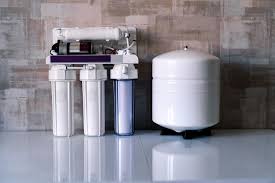
Reverse osmosis water filters have become increasingly popular in recent years due to their effectiveness in removing impurities from drinking water. These systems work by applying pressure to force water through a semipermeable membrane, which filters out contaminants and produces clean drinking water. The process is relatively straightforward, but understanding the specifics can be beneficial for those considering installing a reverse osmosis system in their homes.
The Reverse Osmosis Process
The first step in the reverse osmosis process is pre-filtration. This involves passing the water through a series of filters that remove larger particles and debris. This helps to extend the life of the reverse osmosis membrane and prevent clogs. The water then passes through the semipermeable membrane, where the pressure forces the water molecules through the membrane, leaving impurities behind.
How Semipermeable Membranes Work
Semipermeable membranes are the heart of the reverse osmosis system. These membranes have tiny pores that allow water molecules to pass through while keeping larger particles out. The membrane is designed to be highly selective, allowing only water molecules to pass through while rejecting impurities. This is what makes reverse osmosis so effective at removing dissolved solids and other contaminants from drinking water.
Benefits of Reverse Osmosis
Reverse osmosis systems offer several benefits over other types of water filtration systems. They are highly effective at removing a wide range of contaminants, including dissolved solids, bacteria, viruses, and other impurities. They are also relatively low maintenance, as the membranes can be easily replaced when they become clogged. Additionally, reverse osmosis systems can be used in conjunction with other types of filtration systems to provide an extra layer of protection.
Common Applications for Reverse Osmosis
Reverse osmosis systems are commonly used in a variety of applications. They are often used in homes to provide clean drinking water, but they are also used in commercial settings, such as restaurants and hospitals. Reverse osmosis systems are also used in industrial settings, such as manufacturing and processing plants. In all of these applications, the goal is to provide clean, safe water for use in a variety of different processes.
For more information on how reverse osmosis systems work and the benefits they offer, read more about this topic. Reverse osmosis systems are a popular choice for homeowners and businesses looking to improve the quality of their drinking water.
Conclusion
In conclusion, reverse osmosis water filters are a highly effective way to remove impurities from drinking water. The process is relatively straightforward, involving pre-filtration and the use of a semipermeable membrane to filter out contaminants. Reverse osmosis systems offer several benefits over other types of water filtration systems, including high effectiveness and low maintenance. They are commonly used in a variety of applications, from homes to commercial and industrial settings. By understanding the reverse osmosis process and the benefits it offers, individuals can make informed decisions about their water filtration needs.
For those looking to learn more about the reverse osmosis process and how it can be used to improve the quality of their drinking water, explore further insights here. This detailed guide provides a comprehensive overview of the reverse osmosis process and its benefits, making it a valuable resource for anyone considering installing a reverse osmosis system.
Additional Resources
For those who want to learn more about reverse osmosis systems and how they can be used to improve the quality of their drinking water, there are several additional resources available. These include online guides, tutorials, and instructional videos that provide step-by-step instructions on how to install and maintain a reverse osmosis system. By following these resources, individuals can gain a deeper understanding of the reverse osmosis process and how it can be used to improve the quality of their drinking water.
By understanding the reverse osmosis process and the benefits it offers, individuals can make informed decisions about their water filtration needs. Whether you are a homeowner looking to improve the quality of your drinking water or a business owner looking to provide clean drinking water for your employees, reverse osmosis systems are a popular choice. Find additional information here to learn more about how reverse osmosis systems can be used to improve the quality of your drinking water.