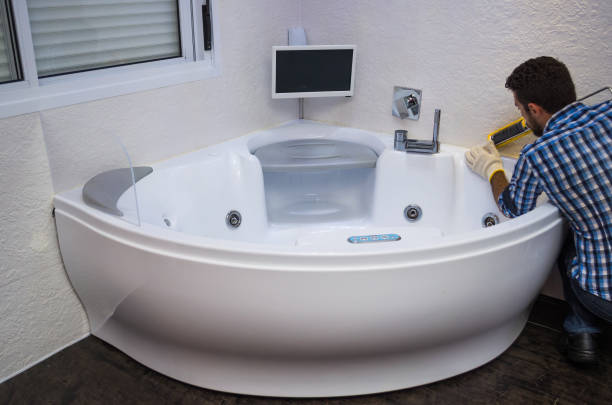
Adding a hot tub to a patio can transform an outdoor space into a year-round retreat, offering relaxation, therapeutic benefits, and added property value. In Portland’s climate, where rainy days are common and winters are cool, a well-installed patio hot tub provides a comfortable oasis that can be enjoyed regardless of the weather. This guide outlines the essential steps, considerations, and cost-saving tips for installing a hot tub on a patio, helping homeowners make informed decisions while staying within budget.
Planning the Installation
Assessing Space and Layout
- Measure the available patio area, allowing at least 3 feet of clearance on all sides for safe access and maintenance.
- Consider the view, sunlight exposure, and proximity to the house to maximize comfort and energy efficiency.
- Check local zoning regulations and homeowner association rules that may dictate placement or size limits.
Choosing the Right Hot Tub Size
- Two-person models are ideal for smaller patios, typically ranging from 4 to 6 feet in diameter.
- Four- to six-person tubs require a minimum of 8-10 feet of clear space.
- Opt for a rectangular shape if the patio is longer than it is wide; a circular model fits better in square or round spaces.
Power and Water Supply Considerations
- Locate a dedicated 240-volt circuit near the installation site; a licensed electrician should install a GFCI-protected breaker.
- Plan for a nearby water source for filling and draining; a shut-off valve and proper drainage slope are essential.
- Review local building codes for required permits and inspections.
For detailed code requirements in Oregon, Read more about this topic.
Preparing the Patio Surface
Evaluating Load-Bearing Capacity
- Concrete slabs should be at least 4 inches thick with a compressive strength of 3,000 psi.
- Decks must be reinforced with joists spaced no more than 16 inches apart and capable of supporting 100 pounds per square foot.
- If the existing surface is insufficient, consider adding a reinforced pad or a purpose-built platform.
Waterproofing and Drainage
- Apply a waterproof membrane beneath the tub to prevent moisture migration into the patio structure.
- Install a slight slope (1-2%) away from the tub to direct any overflow toward a drainage system.
- Use a French drain or surface drain if the patio is prone to pooling water.
To explore best practices for waterproofing, Learn more in this detailed guide.
Installation Steps
Positioning the Hot Tub
- Unpack the tub and place it on a protective blanket to avoid scratches.
- Center the unit on the prepared surface, ensuring the recommended clearances are met.
- Mark the location of the electrical panel and water connections before final placement.
Connecting Electrical and Plumbing
- Hire a licensed electrician to run the dedicated circuit, attach the control box, and test for proper grounding.
- Connect the water inlet and outlet hoses, securing them with hose clamps.
- Install a pressure-relief valve and a backflow preventer as required by local codes.
Testing and Calibration
- Fill the tub with water to the recommended level; check for leaks around the pump and heater connections.
- Power on the system and verify that all jets, lights, and temperature controls operate correctly.
- Run the tub for at least 30 minutes to allow the heater to reach the set temperature and to confirm stable operation.
For a step-by-step walkthrough of the electrical setup, Explore further insights here.
Cost-Effective Tips
- Choose a standard-size model rather than a custom design; standard dimensions reduce manufacturing and shipping costs.
- Purchase a tub during off-season sales (late fall or winter) when retailers often offer discounts.
- Consider a DIY installation for the patio pad if you have construction experience; hire professionals only for electrical work.
- Use energy-efficient covers and programmable thermostats to lower operating expenses.
- Maintain proper water chemistry to extend the life of the heater, pump, and plumbing components.
For additional budgeting strategies, Find additional information here.
Maintenance and Longevity
Regular Cleaning Routine
- Drain and refill the tub every 3-4 months, depending on usage frequency.
- Clean the filter cartridge weekly and replace it annually.
- Wipe down the shell with a non-abrasive cleaner to prevent scale buildup.
Seasonal Care for Portland Weather
- During winter, keep the cover securely fastened and use a floating insulation blanket if the tub is left uncovered.
- Monitor water temperature to prevent freezing of the plumbing lines.
- Inspect the electrical components after heavy rain or storms for any signs of moisture intrusion.
For a comprehensive maintenance schedule, Read more about this topic.
Conclusion
Installing a patio hot tub in Portland combines thoughtful planning, proper surface preparation, and adherence to local codes to create a lasting outdoor sanctuary. By evaluating space, ensuring a sturdy foundation, and following systematic installation steps, homeowners can achieve a high-quality setup without overspending. Ongoing maintenance and energy-saving practices will preserve the tub’s performance for years, delivering consistent relaxation and health benefits throughout the Pacific Northwest’s varied climate.