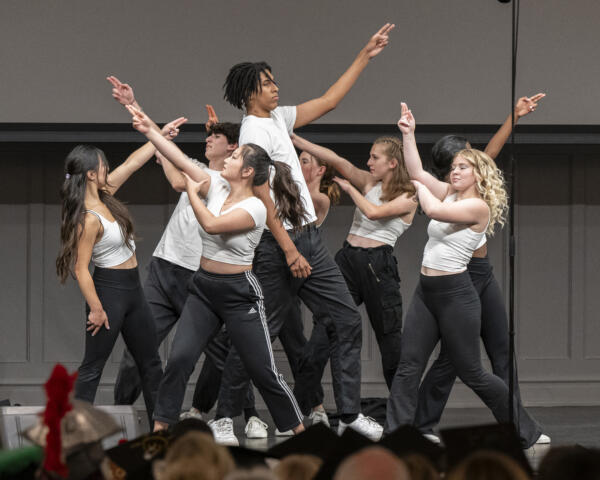
Choosing a private school in Seattle can be a pivotal decision for families seeking a seamless transition from middle school through high school. The right environment not only nurtures academic growth but also supports personal development, extracurricular involvement, and college readiness. This review examines the key elements that define a high-quality private education experience in the Seattle area, focusing on curriculum continuity, faculty expertise, campus resources, and community engagement. By understanding these factors, parents and students can make an informed choice that aligns with long-term educational goals.
Curriculum Continuity from Middle to High School
A cohesive curriculum that bridges middle school and high school is essential for maintaining academic momentum. Effective programs typically feature:
- Progressive learning objectives that build on foundational skills each year.
- Integrated STEM and humanities pathways that allow students to explore interdisciplinary connections.
- Advanced Placement (AP) or International Baccalaureate (IB) options introduced in the upper grades to prepare for college-level work.
Students benefit from a clear academic roadmap that reduces redundancy and encourages deeper mastery of subjects. For families interested in detailed curriculum frameworks, Read more about this topic.
Faculty Excellence and Student Support
Highly qualified teachers who are committed to individualized instruction play a critical role in student success. Key attributes of strong faculty include:
- Advanced degrees and ongoing professional development.
- Small class sizes that enable personalized feedback.
- Mentorship programs that connect students with academic and career advisors.
Effective support systems extend beyond the classroom, offering counseling, tutoring, and enrichment opportunities. To explore how faculty qualifications impact outcomes, Learn more in this detailed guide.
Campus Facilities and Resources
Academic Spaces
Modern classrooms equipped with technology, science labs, and collaborative work areas foster an engaging learning environment. Features to look for include:
- State-of-the-art laboratories for chemistry, biology, and physics.
- Media centers with digital resources and research databases.
- Flexible learning spaces that support project-based instruction.
Arts and Athletics
A well-rounded education also emphasizes creative and physical development. Quality private schools typically provide:
- Dedicated art studios, music rooms, and performance venues.
- Comprehensive athletic facilities, including fields, gyms, and swimming pools.
- Opportunities for inter-school competitions and showcases.
Information on facility standards and recent upgrades can be found by Explore further insights here.
Extracurricular Programs and Leadership Opportunities
Beyond academics, extracurricular activities cultivate leadership, teamwork, and social skills. Effective programs often feature:
- Clubs ranging from robotics and debate to environmental stewardship.
- Student-run organizations that encourage initiative and governance experience.
- Community service partnerships that connect learners with local initiatives.
These experiences are valuable for college applications and personal growth. For a deeper look at extracurricular integration, Find additional information here.
College Preparation and Outcomes
Preparing students for post-secondary success involves more than test scores. Comprehensive college counseling programs typically include:
- Individualized college planning sessions starting in early high school.
- Workshops on essay writing, interview techniques, and financial aid navigation.
- Relationships with university admissions officers and alumni networks.
Tracking college acceptance rates and scholarship awards provides insight into a school’s effectiveness. Detailed statistics and guidance resources are available when you Read more about this topic.
Community Culture and Values
A supportive community fosters a sense of belonging and shared purpose. Elements that contribute to a positive culture include:
- Inclusive policies that respect diversity of background and thought.
- Parent-teacher partnerships that encourage open communication.
- Ethical frameworks that emphasize responsibility, integrity, and global citizenship.
Understanding the school’s ethos helps families gauge alignment with their own values. For further context on community engagement, Learn more in this detailed guide.
Conclusion
Evaluating a private school in Seattle requires a holistic view of academic continuity, faculty quality, facilities, extracurricular breadth, college readiness, and community culture. By focusing on these core areas, families can identify institutions that deliver consistent excellence from middle school through high school. The integration of rigorous curricula, supportive staff, and enriching environments creates a foundation for lifelong learning and achievement. Prospective students and parents are encouraged to explore each facet in depth, ensuring the chosen school aligns with both educational aspirations and personal values.