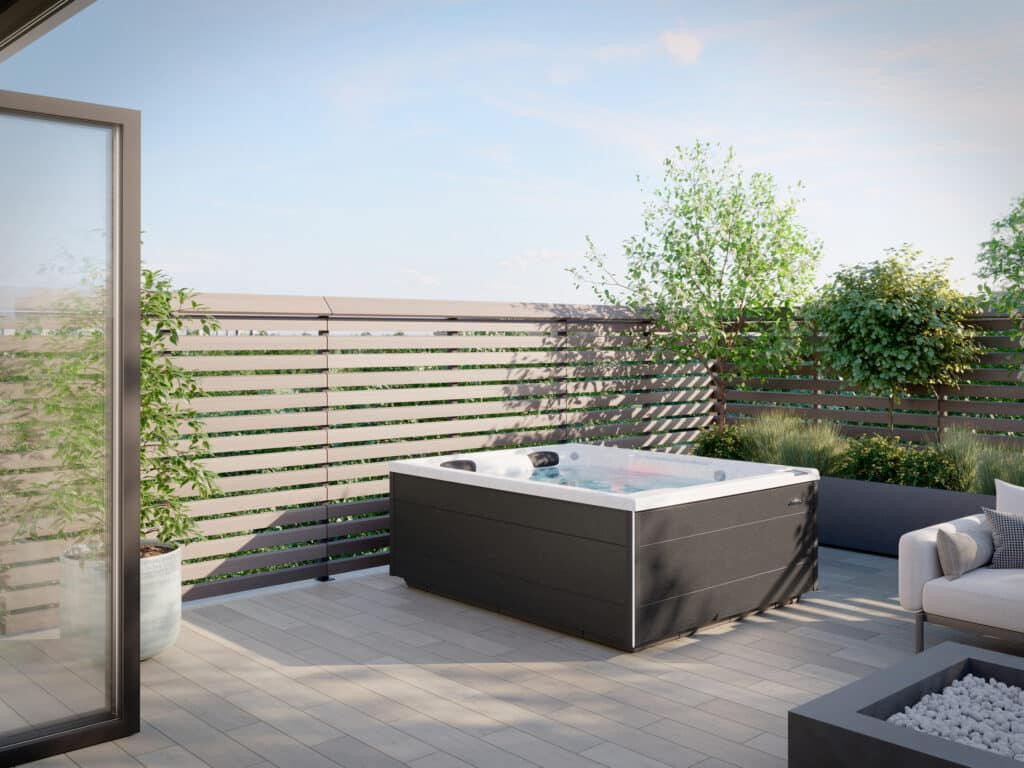
Installing a residential hot tub is a rewarding investment that enhances both lifestyle and property value. For homeowners in Portland, the unique climate and local building codes demand a thoughtful approach. By following expert guidance, drawn from years of specialized experience, homeowners can avoid common pitfalls, ensure optimal performance, and enjoy a safe, relaxing oasis for years to come.
Understanding Local Requirements
Portland’s weather patterns, seismic activity, and municipal regulations create a distinct set of considerations. Before any physical work begins, it’s essential to verify the following:
- Permits and zoning: Most residential hot tub installations require a building permit. Check the City of Portland’s online portal or contact the local building department.
- Electrical compliance: The National Electrical Code (NEC) mandates a dedicated circuit and GFCI protection. A licensed electrician must certify the installation.
- Structural load: Verify that the deck or patio can support the combined weight of the tub, water, and occupants. Reinforcement may be necessary.
For a detailed checklist of Portland-specific requirements, Discover expert strategies here.
Site Selection and Preparation
Choosing the Ideal Location
The location of a hot tub influences energy efficiency, privacy, and overall enjoyment. Consider these factors:
- Sun exposure: A spot with morning sun and afternoon shade reduces heating costs.
- Privacy: Position the tub away from street view or use landscaping screens.
- Accessibility: Ensure easy access for delivery, maintenance, and emergency egress.
- Proximity to utilities: Keep the tub within reasonable distance of water and electrical sources.
Preparing the Base
A stable, level base prevents vibration, leaks, and premature wear. Common base options include:
- Concrete slab: The most durable choice; must be cured for at least 28 days.
- Prefabricated deck pads: Lightweight, easy to install, suitable for above-ground tubs.
- Reinforced pavers: Provide an attractive finish while meeting load requirements.
Guidance on selecting the right foundation can be found by Learn about our tailored solutions.
Plumbing and Electrical Integration
Water Supply and Drainage
Efficient water management is critical for both performance and environmental responsibility. Follow these steps:
- Install a dedicated shut-off valve to control water flow.
- Use PVC or CPVC piping rated for hot water temperatures.
- Incorporate a proper drainage line that complies with local code, preferably leading to a floor drain or outdoor runoff area.
Electrical Wiring Best Practices
Hot tubs are high-power devices that demand strict adherence to safety standards:
- Run a 240-volt, 50-amp circuit with a double-pole breaker.
- Install a GFCI breaker at the main panel and a local GFCI disconnect near the tub.
- Use marine-grade, UV-resistant wiring for any outdoor runs.
- Seal all conduit penetrations to prevent moisture intrusion.
For a comprehensive electrical guide, Explore advanced guides and tips.
Installation Process Overview
Once the site, plumbing, and electrical work are approved, the physical installation proceeds in a logical sequence:
- Position the tub: Carefully lower the unit onto the prepared base, ensuring it sits level.
- Connect plumbing: Attach inlet and outlet lines, verify fittings are tight, and pressure-test for leaks.
- Wire the control system: Connect the control panel, pumps, and heaters according to the manufacturer’s schematic.
- Fill and balance: Fill the tub with water, check for proper flow, and adjust chemical levels.
- Test run: Power up the system, run each component, and confirm that all safety features engage correctly.
Professional installers often reference a step-by-step manual; a useful resource is available at Find out more about this approach.
Maintenance Considerations
Long-term enjoyment hinges on regular upkeep. Key maintenance tasks include:
- Water chemistry: Test pH, alkalinity, and sanitizer levels at least twice weekly.
- Filter cleaning: Rinse or replace filters every 4-6 weeks, depending on usage.
- Cover care: Keep the cover clean and dry; replace cushions that show wear.
- Seasonal preparation: In Portland’s colder months, consider a freeze-protect kit or winterization protocol.
For detailed maintenance schedules, Explore advanced guides and tips again provides valuable insight.
Choosing the Right Hot Tub Model
Portland residents benefit from models that balance energy efficiency with robust construction. Look for features such as:
- Full-foam insulation to reduce heat loss.
- Energy-star rated pumps and heaters.
- Corrosion-resistant cabinet materials suited for humid climates.
- Advanced control panels with remote access.
Specialists often recommend consulting a curated selection of models; more information can be found by Learn about our tailored solutions.
Final Thoughts
Residential hot tub installation in Portland is a multi-disciplinary project that blends design aesthetics, engineering precision, and local compliance. By adhering to the outlined steps, securing permits, selecting an appropriate site, preparing a solid base, integrating plumbing and electrical systems correctly, and committing to ongoing maintenance, homeowners can create a reliable, luxurious retreat. Leveraging the expertise of seasoned hot-tub specialists ensures that every detail aligns with best practices, delivering peace of mind and lasting enjoyment.