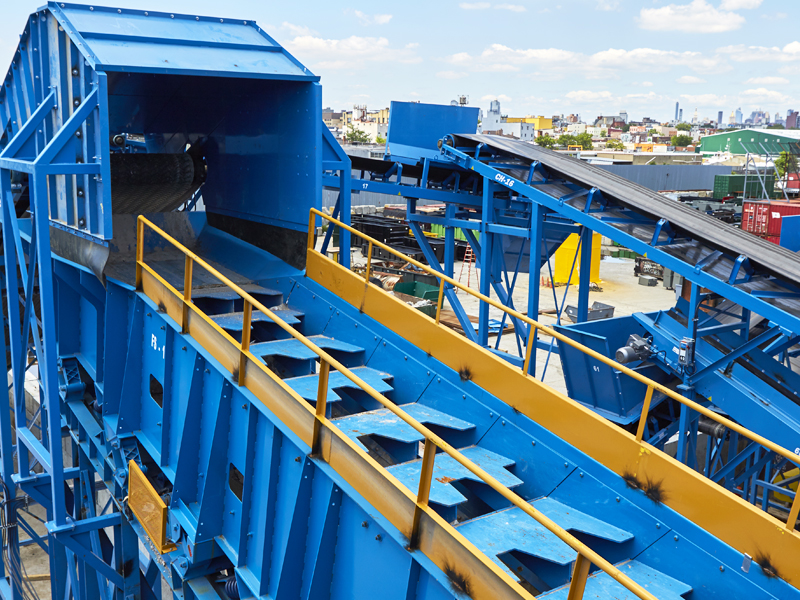
Recycling has become a cornerstone in the effort to manage waste sustainably, with recycling equipment manufacturers playing a pivotal role in this process. As the world grapples with the mounting challenge of waste management, recycling equipment manufacturers are stepping in with innovative solutions to transform how waste is processed and repurposed. Their involvement not only aids in reducing the environmental footprint but also enhances the efficiency of recycling operations, making it a vital component of modern waste management strategies.
The Importance of Recycling Equipment in Waste Management
Recycling equipment is essential for the effective processing of recyclable materials. The importance of these tools and machinery cannot be overstated, as they provide the necessary infrastructure to handle various types of waste. Key benefits of using specialized recycling equipment include:
- Increased Efficiency: Advanced machinery allows for faster and more efficient processing of recyclable materials, reducing the time and labor required.
- Enhanced Quality of Recyclables: Proper sorting and processing ensure that the quality of recyclables is maintained, leading to higher quality end products.
- Cost Reduction: Automation and improved processes help in reducing operational costs associated with waste management.
- Environmental Impact: By improving recycling rates, these machines contribute significantly to lowering the environmental impact of waste.
For more insights into the benefits of recycling equipment, explore advanced guides and tips on the subject.
Innovations in Recycling Equipment
Automated Sorting Systems
One of the critical innovations in recycling equipment is the development of automated sorting systems. These systems utilize advanced technologies such as artificial intelligence and machine learning to identify and sort different types of materials. The advantages of automated sorting include:
- Reduced human error and increased accuracy in sorting.
- Faster processing speeds, leading to higher throughput.
- Increased capacity to handle diverse waste streams.
To learn more about how automated systems are revolutionizing waste management, discover expert strategies here.
Shredders and Crushers
Shredders and crushers are fundamental in reducing the size of waste materials, making them easier to handle and transport. These machines are especially crucial for processing materials like plastics, metals, and construction debris. Key features of modern shredders and crushers include:
- High durability to handle tough materials.
- Energy-efficient designs to minimize power consumption.
- Adjustable settings to cater to different material types and sizes.
For more detailed information on equipment that handles large waste volumes, find out more about this approach.
The Future of Recycling Equipment Manufacturing
As the demand for sustainable waste management solutions grows, the future of recycling equipment manufacturing looks promising. Emerging trends that are likely to shape the industry include:
- Integration of IoT: The Internet of Things (IoT) will enable real-time monitoring and optimization of recycling operations, enhancing overall efficiency.
- Development of Eco-friendly Technologies: Manufacturers are focusing on creating machines with lower environmental impact, such as those powered by renewable energy sources.
- Customization and Flexibility: There is a growing trend towards tailored solutions that meet the specific needs of different waste management systems.
To stay ahead in the evolving landscape of recycling technology, learn about our tailored solutions that address these future challenges.
The role of recycling equipment manufacturers in waste management is indispensable. By continuously innovating and adapting to the latest technologies, they are not only increasing the efficiency of recycling processes but also contributing to a more sustainable future. As the industry evolves, staying informed and embracing new technologies will be key to overcoming the challenges of waste management and achieving environmental goals.