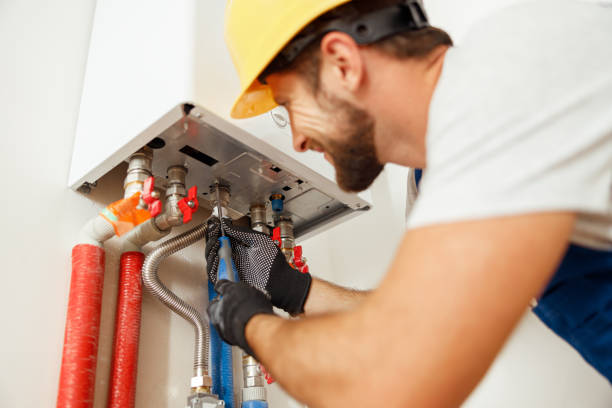
Installing a water heater is a task that requires precision and attention to detail. Whether upgrading an old system or setting up a new one, understanding the process is essential for ensuring safety and efficiency. This guide will walk through the step-by-step procedure of water heater installation, ensuring it is done correctly and effectively.
Preparation and Safety Measures
Before diving into the installation process, it’s crucial to prepare adequately and adhere to safety protocols. Proper preparation helps prevent accidents and ensures a smooth installation process.
- Ensure the power supply to the existing water heater is turned off to avoid electrical hazards.
- Drain the old water heater completely before disconnection to prevent water spillage.
- Gather all necessary tools and equipment, including a wrench, pipe cutter, and soldering kit.
- Review local building codes and regulations to ensure compliance.
Removing the Old Water Heater
The first technical part of residential water heater installation involves removing the existing unit carefully.
- Disconnect the water supply lines and the power source.
- Detach the vent pipe if applicable, especially in gas water heaters.
- Remove the old unit with the help of a partner to avoid injury.
Installing the New Water Heater
Positioning the New Unit
Proper positioning is crucial for optimal performance and safety. Ensure the new water heater is placed on a stable, flat surface.
Connecting the Water Supply
Once the new unit is in place, connect the water supply lines securely.
- Use appropriate fittings to connect the cold and hot water lines to prevent leaks.
- Ensure all connections are tightened securely using a wrench.
Electrical and Vent Connections
Depending on the type of heater, electrical or vent connections need to be established.
- For electric heaters, connect the power supply as per manufacturer guidelines.
- For gas heaters, connect the vent pipe to ensure proper ventilation and avoid gas leakage.
Final Steps and Testing
After completing the installation of water heaters and installation, it’s essential to conduct a thorough inspection and test the system.
- Turn on the water supply and check for any leaks at the connections.
- Fill the tank with water and ensure no air pockets are present by opening hot water faucets.
- Switch on the power supply and set the thermostat to the desired temperature.
- Inspect the system for any unusual noises or behavior and rectify as necessary.
Conclusion
Installing a water heater can seem daunting, but with proper guidance and adherence to safety measures, it becomes manageable. For those unsure or uncomfortable with the process, seeking professional help from water heater installation near me is an advisable course of action. This ensures not only a safe installation but also peace of mind knowing the job is done correctly.