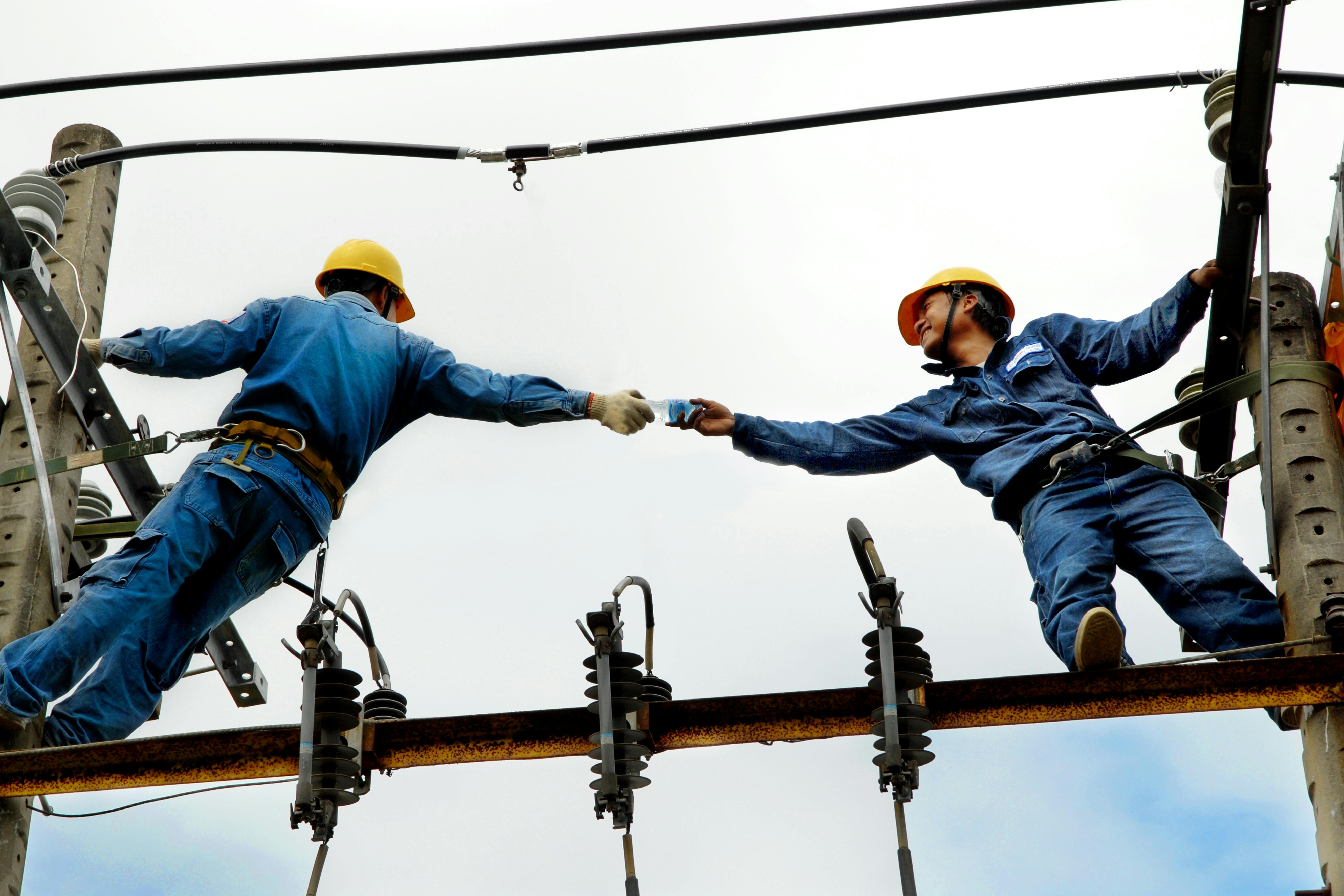
Electrical issues can pose serious risks to both safety and productivity, making preventive maintenance an essential practice for homeowners and businesses alike. By regularly inspecting and servicing electrical systems, potential problems can be identified and addressed before they escalate into major issues. This proactive approach not only enhances safety but also ensures the longevity and efficiency of electrical systems. With the integration of proper preventive measures, the risks of costly repairs and unexpected outages can be significantly reduced.
Understanding Electrical Preventive Maintenance
Preventive maintenance involves regular and systematic inspections, testing, and servicing of electrical systems and components. This process aims to prevent unexpected equipment failures and extend the lifespan of electrical assets. The importance of preventive maintenance cannot be overstated, as it offers numerous benefits including enhanced safety and operational efficiency.
Key Benefits of Electrical Preventive Maintenance
- Improved Safety: Regular maintenance helps to identify potential hazards, such as faulty wiring or overloaded circuits, preventing electrical fires and shocks.
- Cost Savings: By addressing minor issues before they become major problems, significant savings on repairs and replacements can be achieved.
- Increased System Reliability: Consistent maintenance ensures that systems operate smoothly and reduces the risk of unexpected breakdowns.
- Extended Equipment Lifespan: Well-maintained equipment tends to have a longer operational life, providing better value over time.
To explore professional electrical preventive maintenance services, it is advisable to consult experienced professionals who can tailor a maintenance plan suitable for specific needs.
Common Electrical Issues and How to Prevent Them
Understanding common electrical issues is the first step in preventing them. Regular inspections and maintenance can mitigate the risks associated with these problems:
1. Overloaded Circuits
- Ensure circuits are not overloaded by distributing electrical loads evenly.
- Use circuit breakers that are rated for the specific loads in the building.
2. Faulty Wiring
- Regular inspection of wiring for wear and tear can prevent potential hazards.
- Professional electrical home repair service can identify and replace faulty wiring effectively.
3. Frequent Electrical Surges
- Install surge protectors to safeguard appliances and electronics.
- Identify and repair faulty devices or wiring that may be causing surges.
4. Tripping Circuit Breakers
- Investigate and resolve the cause of circuit breaker trips to prevent equipment damage.
- Consider upgrading to a higher capacity breaker if necessary.
Engaging professional electrical maintenance services can provide a comprehensive evaluation and solution for these common issues, ensuring peace of mind and system reliability.
Implementing a Preventive Maintenance Plan
Developing and implementing an effective preventive maintenance plan involves several key steps:
- Assessment: Begin with a thorough assessment of all electrical systems and components.
- Scheduling: Establish a regular maintenance schedule that aligns with the operational needs and risks associated with the electrical systems.
- Record Keeping: Maintain detailed records of all inspections, tests, and maintenance activities for future reference and compliance.
- Professional Assistance: Utilize professional electrical services to ensure thorough and expert maintenance.
Adopting a proactive approach to electrical maintenance not only enhances safety and reliability but also maximizes efficiency and cost-effectiveness. Through regular inspections and timely interventions, electrical systems can be maintained in optimal condition, benefiting both homes and businesses. For more information on customized maintenance solutions, consider consulting experienced professionals.