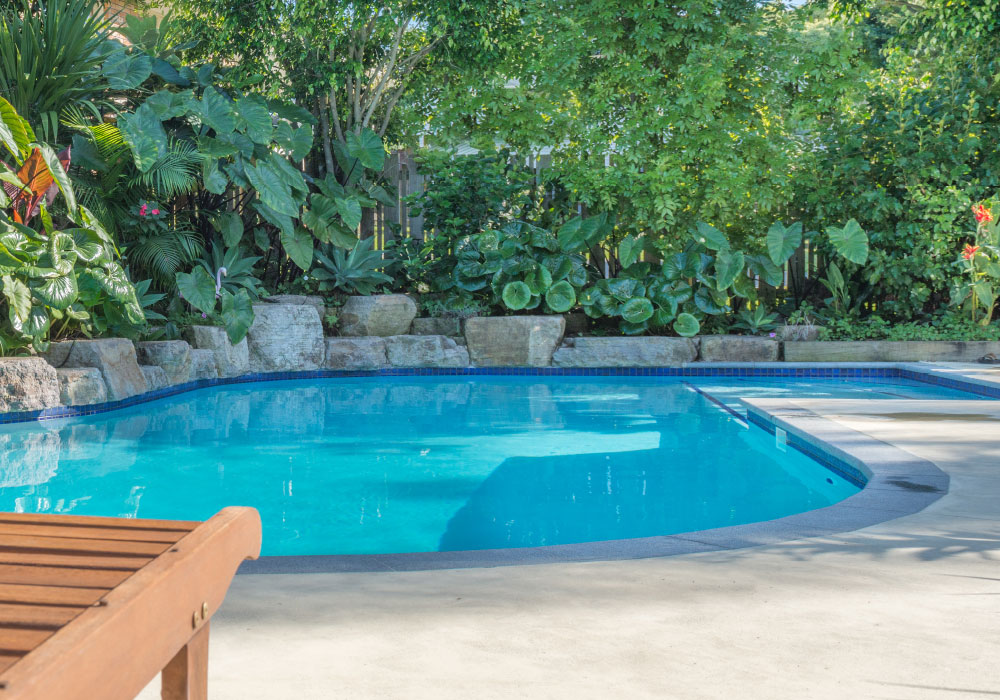
A swimming pool is a cherished extension of a home, offering a space for relaxation, exercise, and entertainment. Over time, however, the pool’s surface can deteriorate due to weather conditions, frequent use, and chemical treatments, ultimately diminishing its aesthetic appeal and functionality. Concrete resurfacing presents a viable solution, enhancing the pool’s durability and visual appeal while extending its lifespan. This transformative process not only revives the pool?s appearance but also optimizes safety and performance.
Understanding Concrete Resurfacing
Concrete resurfacing involves the application of a new layer over the existing pool surface. This process can remediate issues such as cracks, discolored surfaces, and uneven textures, ultimately restoring the pool’s former glory. The resurfacing process typically includes thorough cleaning, patching of damaged areas, and the application of a fresh, durable coat.
Benefits of Pool Resurfacing
- Enhanced Aesthetic Appeal: Choose from a wide variety of finishes, from classic plaster to high-end pebble and quartz, to redefine the pool’s look.
- Increased Durability: Resurfacing with advanced materials extends the pool’s life, safeguarding it against wear and tear.
- Improved Safety: Correcting surface imperfections minimizes the risk of accidents, ensuring a safer environment for swimmers.
- Cost-Effectiveness: Compared to a full pool renovation, resurfacing is a more economical choice that delivers impressive results.
Choosing the Right Resurfacing Material
Selecting the appropriate resurfacing material is crucial to achieving the desired outcome. Factors to consider include:
- Climate Compatibility: Ensure the material can withstand local weather conditions to prevent premature wear.
- Maintenance Requirements: Opt for materials that align with your maintenance capacity and frequency.
- Budget: Balance quality with affordability to make a sound investment.
Discover expert strategies here for selecting the best material to suit your pool’s needs.
Steps Involved in Concrete Resurfacing
The resurfacing process can be broken down into several key stages:
- Assessment: A detailed evaluation of the pool’s current condition to identify specific needs.
- Preparation: Draining the pool and cleaning its surface, including the removal of any existing coatings or debris.
- Repair: Addressing structural issues like cracks or chips to ensure a smooth surface for the new layer.
- Application: Applying the chosen resurfacing material evenly across the pool’s surface.
- Curing: Allowing time for the new surface to set and cure properly, which is crucial for durability.
Find out more about this approach to ensure a seamless transformation of your pool.
Maintaining a Resurfaced Pool
Post-resurfacing maintenance is vital to prolong the life of your pool’s new surface. Consider the following tips:
- Regular Cleaning: Keep the surface clean from debris and algae to maintain its appearance and prevent damage.
- Balanced Chemicals: Ensure water chemistry is balanced to avoid surface degradation.
- Routine Inspections: Conduct frequent checks for any signs of damage or wear that may require attention.
For more detailed advice, explore advanced guides and tips on maintaining a pristine pool surface.
Conclusion
Concrete resurfacing is a transformative process that can significantly enhance your pool’s appearance and functionality. By choosing the right materials and following a structured approach, homeowners can enjoy a revitalized pool that remains a centerpiece for relaxation and entertainment. For tailored solutions to meet specific requirements, learn about our tailored solutions to pool restoration.