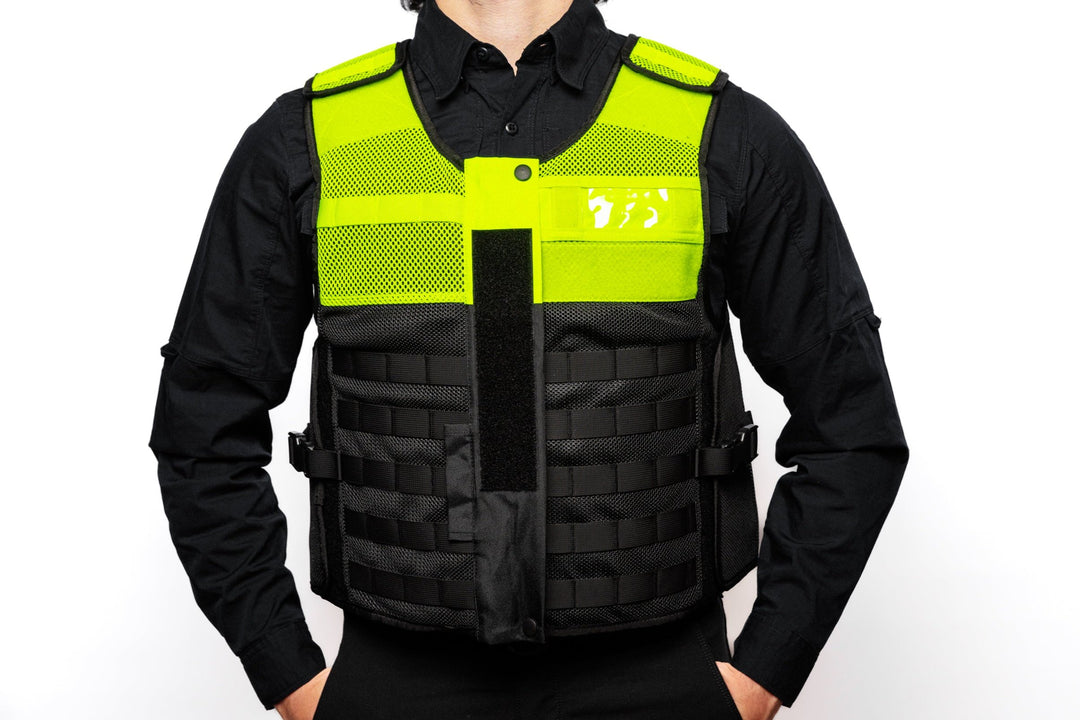
In high-risk industries, such as construction, mining, oil & gas, and emergency services, visibility can be the difference between safety and danger. A reliable safety vest not only meets regulatory requirements but also enhances worker confidence, reduces accidents, and supports overall site productivity. Selecting the right vest involves understanding material performance, design features, and the specific hazards of each job. This article examines the key considerations for choosing a safety vest that delivers maximum protection in the most demanding environments.
Why Safety Vests Are Essential in High-Risk Jobs
- Visibility: High-visibility fabrics reflect and emit light, ensuring workers are seen in low-light or high-contrast settings.
- Regulatory compliance: Standards such as AS/NZS 4602.1, OSHA 1910.146, and ISO 20471 dictate minimum performance levels for reflective apparel.
- Durability: Tough work conditions demand garments that resist tearing, abrasion, and chemical exposure.
- Comfort: Prolonged wear requires breathable, lightweight materials that do not restrict movement.
Core Features to Evaluate
Reflective Materials and Color Choices
Fluorescent colors (orange, yellow, lime) combined with retroreflective tape provide dual-mode visibility, daytime brightness and night-time reflectivity. Look for garments that meet or exceed Class 3 standards for the highest level of reflectivity.
Construction and Fit
- Seam reinforcement: Double-stitched or taped seams prevent fraying under heavy use.
- Adjustable closures: Velcro, snap, or elastic cuffs allow a snug fit for different body types.
- Layering capability: Vests designed with interior pockets enable integration with additional PPE such as high-visibility jackets or insulated layers.
Specialized Add-Ons
Depending on the industry, extra features may be required:
- Tool loops for electricians.
- High-visibility patches for fire-rescue identification.
- Water-resistant coatings for marine or wet-weather work.
Choosing the Right Vest for Specific Industries
Construction and Demolition
Workers often operate near moving equipment and at varying heights. A vest with a wide reflective strip across the back and sleeves provides 360-degree visibility. Discover expert strategies here.
Mining and Quarrying
Dust, low light, and rugged terrain demand a vest that resists abrasion and can be easily cleaned. Look for reinforced panels and moisture-wicking liners to keep workers comfortable during long shifts.
Oil & Gas
Flammable environments require garments that are both flame-retardant and highly visible. Vests meeting NFPA 2112 standards provide the necessary protection while maintaining the required reflectivity.
Emergency Services
First responders need rapid identification and the ability to attach additional equipment. Vests with detachable reflective bands and modular attachment points allow quick customization on the scene.
Maintenance and Care Best Practices
- Follow manufacturer washing instructions, typically cold water, gentle cycle, and air drying.
- Avoid fabric softeners; they can diminish reflective performance.
- Inspect vests regularly for torn seams, faded reflectivity, or broken closures and replace them promptly.
Cost-Effectiveness Over Time
Investing in a high-quality safety vest reduces long-term expenses by minimizing workplace injuries and extending the garment’s service life. While initial costs may be higher, the reduction in incident-related downtime and replacement frequency delivers measurable ROI.
Where to Find Reliable High-Visibility Vests
Professional suppliers offer a curated selection of vests that meet industry standards and incorporate the latest material technologies. By browsing reputable collections, decision-makers can compare specifications, read detailed product data, and select items that align with specific safety plans. Learn about our tailored solutions.
Additionally, many online catalogs provide comprehensive guides on choosing the appropriate class of visibility for each work environment. Accessing these resources helps ensure compliance and promotes a culture of safety across all operational levels. Explore advanced guides and tips.
Conclusion
Safety vests are a fundamental component of personal protective equipment in high-risk sectors. By evaluating visibility performance, durability, fit, and industry-specific features, organizations can equip their workforce with apparel that not only meets regulatory demands but also enhances overall safety culture. Regular maintenance and informed purchasing decisions further extend the value of each vest, contributing to a safer, more productive workplace.