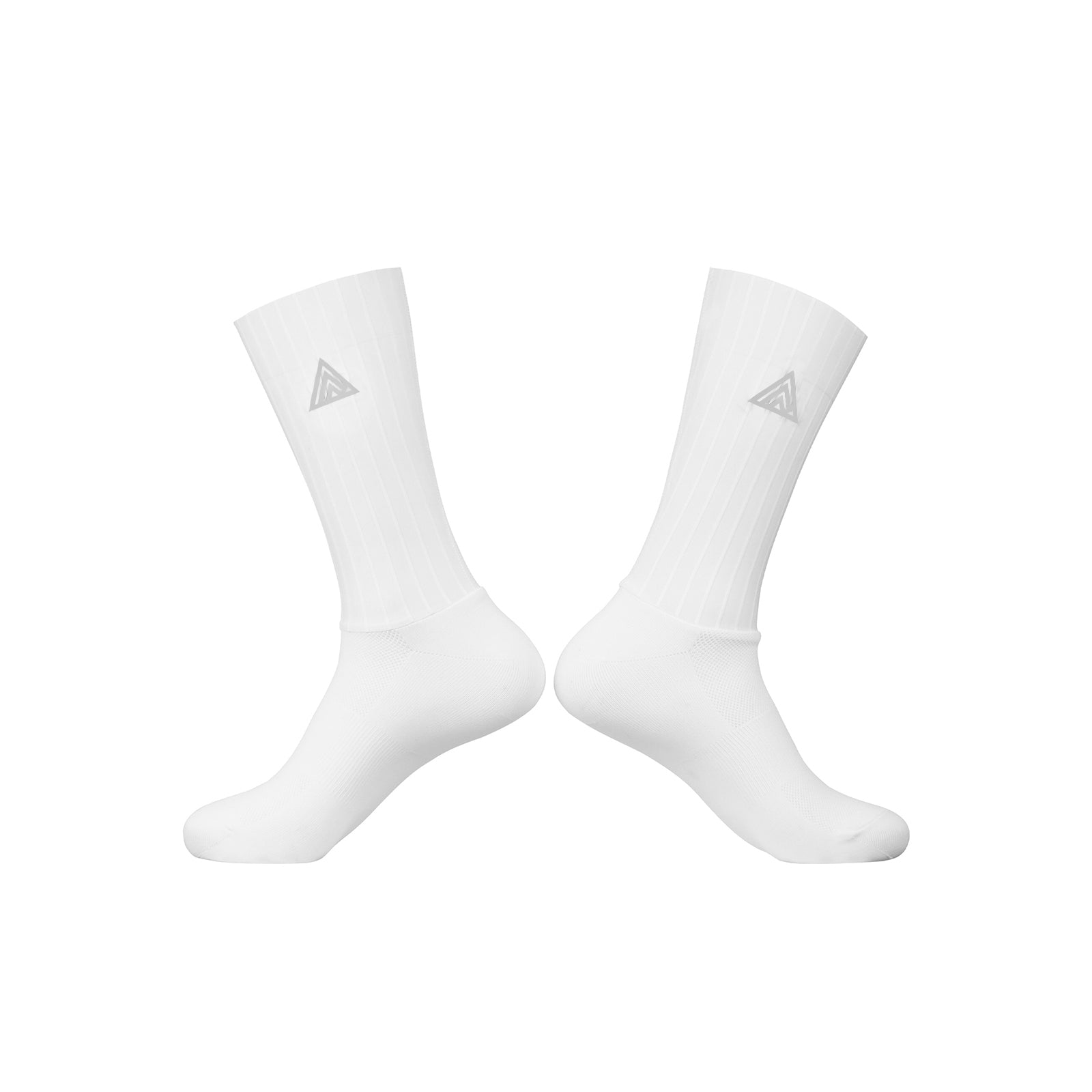
Choosing the right cycling overshoes can feel like navigating a maze of materials, fits, and performance claims. For riders who spend hours in the saddle, the right pair not only protects against the elements but also enhances power transfer, reduces fatigue, and extends the life of the shoes themselves. This checklist breaks down the essential features that should never be overlooked, helping cyclists of every level make an informed purchase that aligns with both comfort and performance goals.
1. Material Composition and Weather Protection
The fabric and construction of an overshoe determine how well it shields the foot from rain, wind, and cold while maintaining breathability.
Key considerations
- Waterproof membranes: Look for Gore-Tex, eVent, or proprietary laminates that guarantee a waterproof rating (typically 5,000″?mm or higher).
- Wind resistance: Tightly woven nylon or polyester shells block drafts without adding bulk.
- Breathability: Microporous vents or laser-cut perforations allow moisture to escape, preventing sweat buildup.
- Durability: Reinforced toe and heel panels resist abrasion from pedals and road debris.
For a curated selection of high-performance options, Discover expert strategies here.
2. Fit and Compatibility
A snug yet comfortable fit ensures that the overshoe stays in place without restricting blood flow or causing pressure points.
Fit factors to evaluate
- Length and width: Measure the shoe’s sole length and compare it to the overshoe’s internal dimensions.
- Elastic cuffs: Adjustable silicone or elastic bands provide a secure seal around the ankle.
- Heel lock system: Integrated straps or Velcro closures keep the heel from slipping during power bursts.
- Compatibility with cleats: Ensure the overshoe accommodates the specific cleat system (SPD, Look, Speedplay) without interference.
When evaluating options that align with a specific pedal system, Learn about our tailored solutions.
3. Aerodynamic Design
Aerodynamics play a crucial role in time-trial and triathlon scenarios where every watt counts. Overshoes with a streamlined silhouette can reduce drag while preserving functionality.
Design elements that matter
- Seam placement: Fewer seams and smooth overlays minimize turbulence.
- Integrated silicone strips: These maintain a tight seal without adding protruding hardware.
- Low-profile profile: A tapered shape follows the shoe’s natural line, reducing frontal area.
For models engineered with aerodynamic efficiency in mind, Explore advanced guides and tips.
4. Insulation and Temperature Regulation
Riders in cooler climates need overshoes that retain heat, while those in milder conditions prefer lighter options.
Insulation options
- Thermal liners: Fleece or Thinsulate layers add warmth without bulk.
- Removable inserts: Allows customization based on daily temperature fluctuations.
- Reflective surfaces: Helps retain body heat while enhancing visibility.
To compare insulated versus non-insulated models, Find out more about this approach.
5. Ease of Use and Maintenance
Convenient entry and exit, as well as straightforward cleaning, are practical considerations that affect daily usability.
Practical features
- Zipper placement: Front-side zippers provide quick access; rear zippers keep the front clean.
- Adjustable straps: Velcro or BOA systems enable fine-tuning on the fly.
- Machine-washable fabrics: Look for fabrics that retain waterproof ratings after laundering.
- Quick-dry technology: Reduces moisture retention after a wash or rain exposure.
For products that balance performance with low-maintenance design, Explore advanced guides and tips.
6. Safety and Visibility
While protection from the elements is primary, visibility in low-light conditions enhances rider safety.
Visibility enhancements
- Reflective piping: Runs along the side seams for 360?? visibility.
- High-visibility colors: Bright hues improve detection by motorists.
- Integrated LED strips: Some premium models include battery-powered lights.
For a selection that incorporates safety features without compromising performance, Learn about our tailored solutions.
7. Price vs. Performance Ratio
Investing in a high-quality pair of overshoes should reflect a balance between cost and the benefits delivered.
Evaluating value
- Feature set: Does the overshoe provide waterproofing, aerodynamics, and insulation together?
- Warranty: A longer warranty often indicates confidence in durability.
- User reviews: Real-world feedback highlights longevity and performance under varied conditions.
To explore options across different price points while maintaining high standards, Find out more about this approach.
Conclusion
Investing time in evaluating material quality, fit, aerodynamics, insulation, usability, safety, and cost ensures that the chosen cycling overshoes become a reliable partner on every ride. By following this checklist, cyclists can avoid common pitfalls such as ill-fitting shells, insufficient waterproofing, or excessive drag. The right pair not only protects the feet from the elements but also contributes to smoother power transfer, enhanced comfort, and ultimately, better performance on the road or trail. Armed with these criteria, the selection process becomes a strategic decision rather than a gamble, leading to confident purchases that stand up to the demands of serious riding.