Garage doors are a critical component of any residential or commercial property, providing security, insulation, and convenience. When a garage door system begins to falter, the most reliable way to restore its performance is by using top-quality replacement parts. High-grade components not only extend the lifespan of the door mechanism but also ensure smooth operation, reduce noise, and prevent costly downtime. Selecting the right parts, understanding their functions, and installing them correctly can make a substantial difference in overall safety and efficiency.
Why Quality Replacement Parts Matter
Investing in premium components is more than a matter of convenience; it is a strategic decision that impacts long-term durability and safety. Inferior parts can cause premature wear, misalignment, and even hazardous failures. High-quality parts provide:
- Enhanced durability: Materials such as stainless steel, reinforced steel, and high-grade polymers resist corrosion and fatigue.
- Consistent performance: Precision-engineered gears, springs, and rollers maintain smooth motion and reduce strain on the motor.
- Improved safety: Certified safety sensors and robust locking mechanisms help meet local building codes.
- Lower total cost of ownership: Fewer replacements and less frequent maintenance translate into real savings.
Key Components of a Garage Door System
1. Springs (Torsion & Extension)
The spring assembly balances the door’s weight and determines the force required to lift it. Choosing the correct spring type and tension is essential for safe operation.
2. Cables and Rollers
These elements guide the door’s movement along the tracks. High-strength steel cables paired with nylon-coated rollers reduce friction and wear.
3. Tracks and Hinges
Precision-cut aluminum or galvanized steel tracks keep the door aligned. Hinges with ball-bearing bearings ensure quiet, fluid motion.
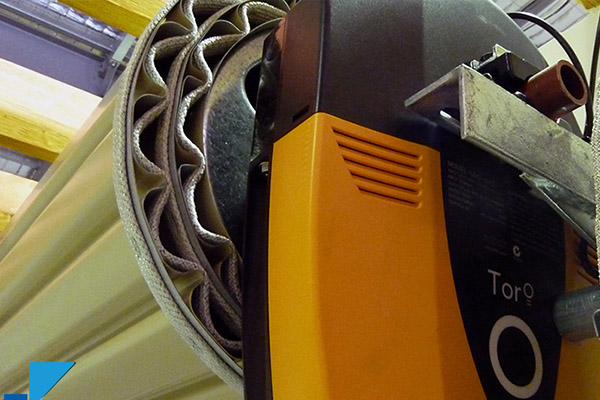
4. Opener Motors and Gearboxes
Modern openers feature brushless DC motors, variable-speed settings, and insulated gearboxes for quiet performance.
5. Safety Sensors and Limit Switches
Infrared sensors detect obstructions, while limit switches control the door’s travel limits, preventing over-travel damage.
Choosing the Right Parts for Your Garage Door
When sourcing replacement components, consider the following criteria to guarantee compatibility and performance:
- Manufacturer specifications: Match the part number, weight capacity, and dimensions listed in the door’s manual.
- Material grade: Opt for corrosion-resistant finishes, especially in coastal or humid environments.
- Certification: Look for ANSI/UL listings that confirm compliance with safety standards.
- Warranty coverage: A robust warranty indicates confidence in product longevity.
For a deeper dive into selecting appropriate components, Discover expert strategies here.
Installation Best Practices
Even the finest parts will underperform if installed incorrectly. Follow these guidelines to ensure a successful replacement:
- Safety first: Disconnect power to the opener, secure the door with clamps, and wear protective gear.
- Accurate measurement: Verify track lengths, spring diameters, and cable tension before ordering.
- Use proper tools: Torque wrenches, spring winding bars, and alignment tools prevent damage.
- Test after installation: Run the door through multiple cycles, checking for smoothness, noise, and proper sensor alignment.
Detailed step-by-step guidance can be found in the Explore advanced guides and tips section.
Maintenance Tips to Extend Part Life
Regular upkeep is the cornerstone of a reliable garage door system. Implement these simple maintenance routines:
- Lubricate rollers, hinges, and springs with a silicone-based spray every 6-12 months.
- Inspect cables for fraying and replace them before they snap.
- Clean safety sensor lenses to maintain clear detection.
- Check the opener’s battery backup (if equipped) and replace the battery as recommended.
Additional maintenance recommendations are available when you Learn about our tailored solutions.
When to Replace vs. Repair
Not every issue warrants a full component swap. Evaluate the following scenarios:
- Minor wear: Replace worn rollers or lubricate hinges.
- Spring fatigue: If a spring shows signs of corrosion or loss of tension, replace it; repairing a spring is unsafe.
- Motor malfunction: A noisy or overheating motor often requires a full replacement rather than a repair.
- Obsolete parts: For older doors, sourcing exact matches may be impossible; upgrading to modern, compatible parts can improve performance.
For guidance on assessing replacement needs, Find out more about this approach.
Conclusion
Choosing top-quality replacement parts is essential for maintaining a garage door’s reliability, safety, and efficiency. By understanding each component’s role, selecting parts that meet rigorous standards, and following proper installation and maintenance practices, property owners can ensure smooth operation for years to come. Leveraging reputable sources and expert guidance, such as the resources offered at Geelong Garage Doors, provides the confidence needed to make informed decisions and keep garage doors performing at their best.