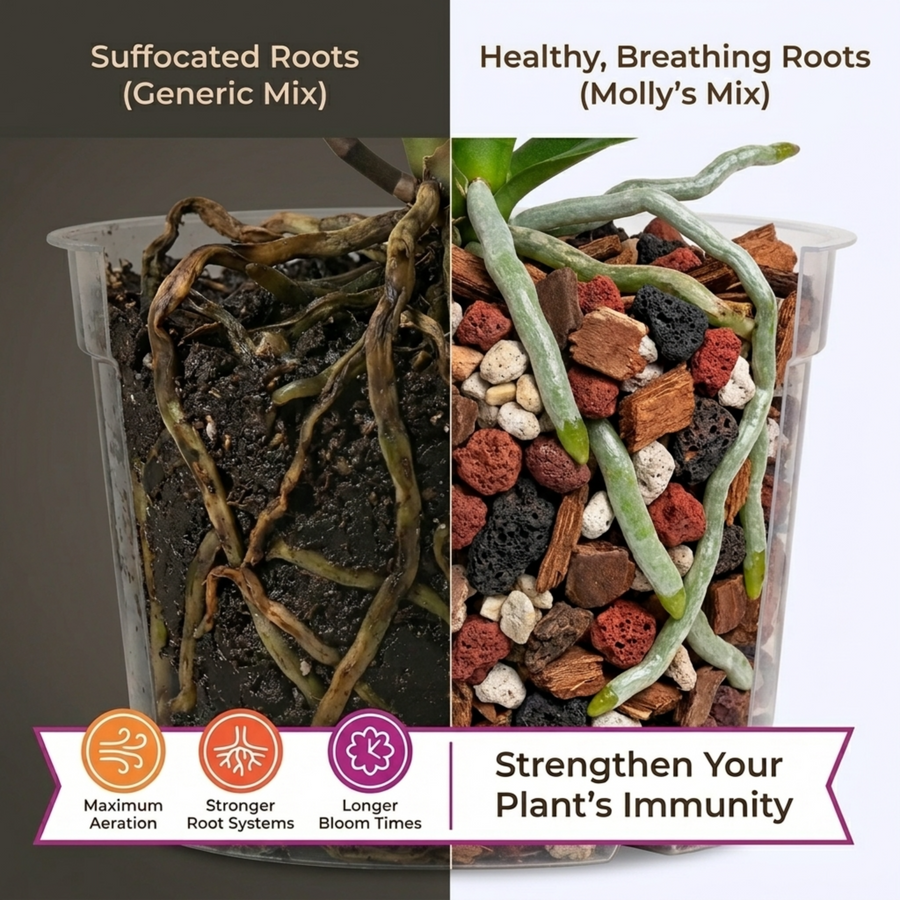
Orchids are among the most enchanting and delicate plants, captivating many with their exotic beauty and unique structure. However, cultivating them successfully requires an understanding of their specific needs, especially when it comes to the growing medium. The significance of the orchid potting mix cannot be overstated, as it plays a crucial role in the health and growth of these plants. This article explores the components of an orchid potting mix, its benefits, and tips for selecting the right mix to ensure the flourishing of your orchid collection.
Components of an Orchid Potting Mix
Orchids demand a specialized potting mix due to their unique root structures and growth habits. Unlike traditional plants that thrive in soil, orchids often require a blend of materials that promote proper aeration and drainage. The typical components of an orchid soil include:
- Bark: Often derived from fir or pine, bark provides an airy base that allows for adequate drainage.
- Sphagnum Moss: Retains moisture while offering a soft cushion for roots.
- Perlite: Enhances aeration and drainage, preventing root rot.
- Charcoal: Helps absorb impurities and maintain freshness.
The Role of Each Component
Each ingredient in the orchid pot mixture serves a purpose:
- Bark: Mimics the natural habitat of epiphytic orchids, which grow on tree branches.
- Sphagnum Moss: Provides moisture retention, crucial for orchids that need consistent humidity.
- Perlite: Prevents compaction, ensuring roots have space to breathe.
- Charcoal: Maintains the pH balance of the mix, facilitating nutrient absorption.
Benefits of Using a Specialized Orchid Potting Mix
Employing a specialized orchid potting soil is instrumental in replicating the natural conditions that orchids thrive in. The benefits include:
- Optimal Drainage: Prevents waterlogging, reducing the risk of root rot.
- Aeration: Encourages healthy root growth by allowing air circulation.
- Nutrient Support: Improves nutrient uptake by maintaining a balanced pH.
- Reduced Pests and Diseases: A well-draining mix minimizes fungal and bacterial growth.
Selecting the Right Orchid Potting Mix
The choice of an orchid plant potting mix should be guided by the specific type of orchid and its natural growing conditions. Consider the following when selecting a potting mix:
- Type of Orchid: Different species may require varying proportions of mix components.
- Environmental Conditions: Humidity and light levels in the growing area can influence the choice of mix.
- Repotting Frequency: Orchids should typically be repotted every one to two years, offering an opportunity to reassess the mix.
Conclusion
Understanding the importance of a tailored orchid potting mix is fundamental to successful orchid cultivation. By providing the appropriate environment through a well-chosen mix, these stunning plants can thrive and bring their exquisite beauty into any space. Cultivators are encouraged to explore different combinations and adjust as necessary, ensuring their orchids are both healthy and vibrant year-round.