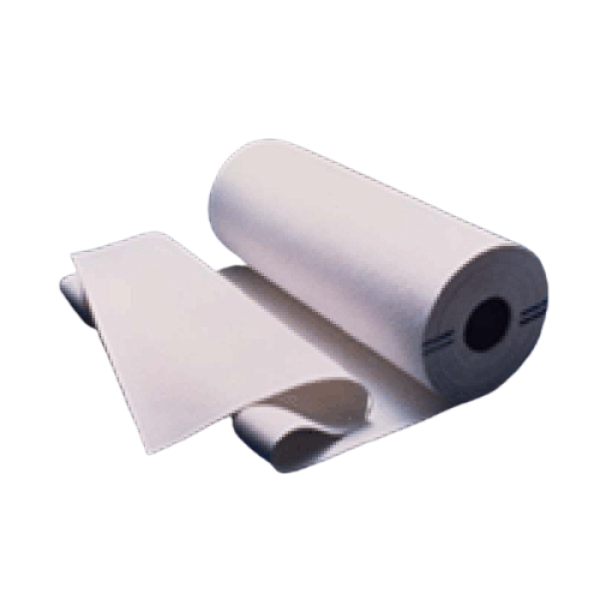
Choosing the right kiln paper is essential for ceramics and glass artists who want to ensure the quality and success of their firing processes. Kiln paper, often referred to as shelf paper, acts as a barrier between the kiln shelf and the materials being fired. This prevents sticking and damage, ensuring that creations come out cleanly and without flaws. However, with a plethora of options available in the market, selecting the best kiln paper can be overwhelming. This guide will walk you through the essential considerations and help you make an informed decision.
Understanding Kiln Paper
Kiln paper is a crucial component in the firing process, providing a smooth, protective layer on kiln shelves. It helps in preventing the sticking of glass or ceramic materials to the shelves, thus minimizing the risk of breakage or defects.
Key Features to Consider
- Thickness: The thickness of kiln paper impacts its durability and effectiveness. Thicker papers may offer better protection but could affect the final texture of the fired piece.
- Heat Resistance: Ensure the kiln paper can withstand the temperatures required for your specific projects.
- Smoothness: A smoother paper will result in a finer finish on the bottom of your pieces.
- Price and Value: Consider the cost versus the number of firings you can achieve with each sheet.
For more detailed insights and options, discover expert strategies here.
Types of Kiln Paper
Different types of kiln paper cater to varying needs and preferences. Here are some common types:
Standard Kiln Paper
This is a basic type of kiln paper that is often used for everyday projects. It is generally affordable and provides adequate protection for standard firing temperatures.
Fiberfrax Kiln Paper
Fiberfrax kiln paper, known for its exceptional heat resistance and smooth finish, is favored by many professionals. It is ideal for high-temperature firings and intricate glasswork.
Learn about our tailored solutions for using Fiberfrax in your projects.
Thin-Fire Kiln Paper
Thin-fire kiln paper is specifically designed for glass fusing projects, providing a clean, smooth finish. It is thinner than standard kiln paper, making it ideal for delicate projects.
Matching Kiln Paper to Your Project
Consider the Materials
- Glass Projects: Thin-fire or Fiberfrax kiln papers are often preferred for glass projects due to their smooth finish.
- Ceramic Projects: Standard or thicker papers can provide the necessary support and protection for heavier materials.
Explore advanced guides and tips for choosing the right kiln paper for your ceramic or glass projects.
Assess the Firing Environment
Understanding your kiln’s environment is crucial:
- Temperature Range: Ensure the paper can withstand the kiln’s maximum temperature.
- Type of Kiln: Different kilns may require different types of paper for optimal results.
For further advice on aligning your kiln paper choice with your kiln’s capabilities, find out more about this approach.
Conclusion
Selecting the best kiln paper involves understanding your specific firing needs, the materials you work with, and the environment in which you operate. By considering these factors, you can enhance the quality of your fired pieces and ensure the longevity of your kiln shelves. For artists and craftsmen, investing time in choosing the right kiln paper can lead to more consistent and satisfying results.
For comprehensive options and expert advice on kiln paper selection, explore advanced guides and tips available from trusted resources.