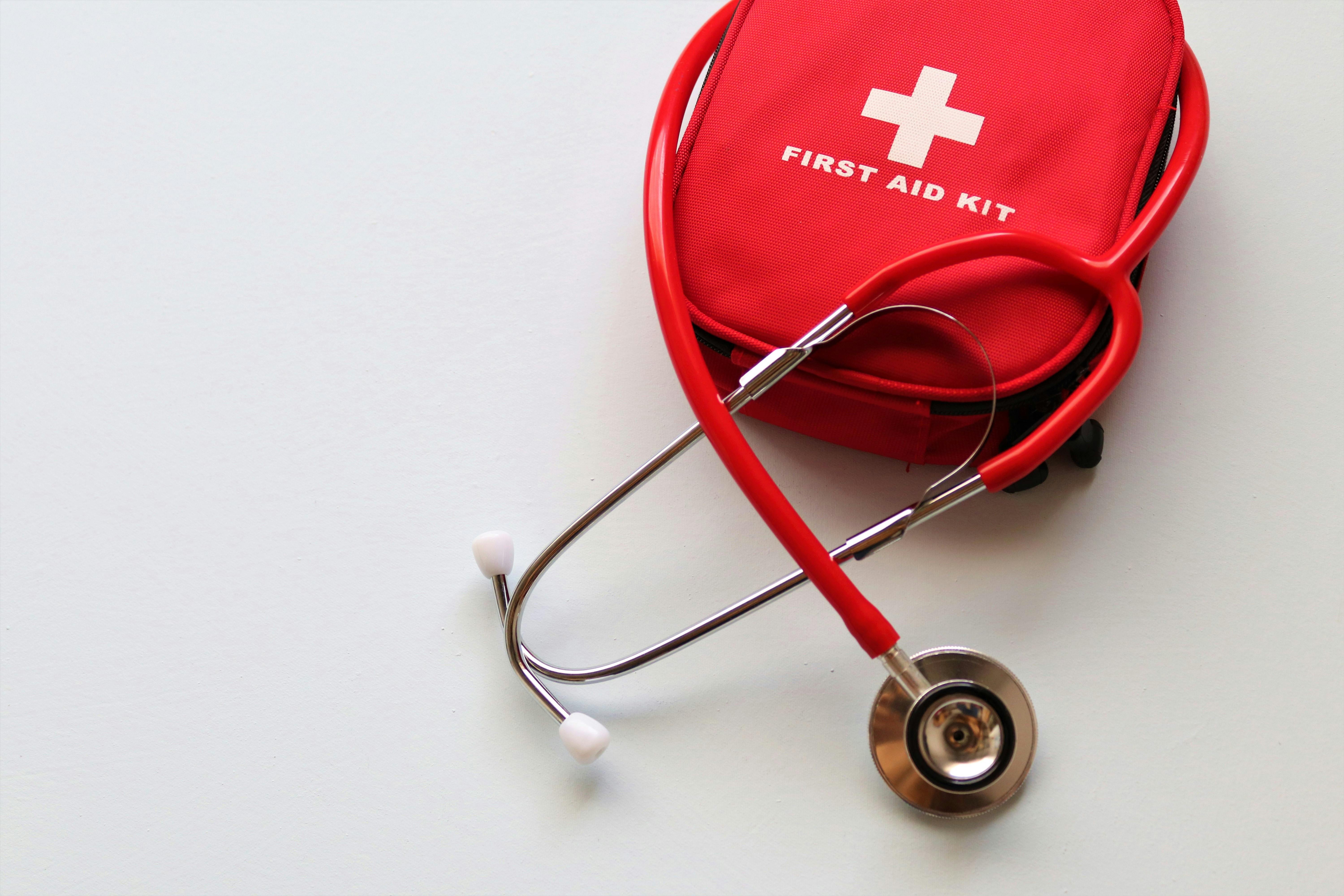
In the ever-evolving field of healthcare, staying up-to-date with the latest advancements is crucial for medical professionals. Continuing Medical Education (CME) is an essential component for those in the medical field who aim to maintain their competency and improve patient care. With advances in technology and medical research, the healthcare landscape is constantly changing, making it imperative for healthcare providers to engage in lifelong learning. This article explores the importance of CME, the different formats available, and how healthcare professionals can effectively integrate it into their busy schedules.
The Importance of Continuing Medical Education
Continuing Medical Education plays a vital role in ensuring that healthcare professionals stay informed about the latest medical practices and innovations. Here are some key benefits:
- Enhances clinical skills and knowledge.
- Improves patient care and outcomes.
- Keeps professionals updated with the latest guidelines and protocols.
- Fosters professional growth and career advancement.
For further insights into the significance of CME, healthcare professionals can explore further insights here.
Types of Continuing Medical Education Formats
Online Courses and Webinars
With the advent of digital technology, online courses and webinars have become a popular choice for CME. These formats offer flexibility and convenience, allowing professionals to learn at their own pace. Topics covered can range from specialized medical procedures to general healthcare management strategies.
To see a detailed guide on leveraging online CME opportunities, learn more in this detailed guide.
Workshops and Conferences
Workshops and conferences provide interactive learning experiences and opportunities to network with peers. They often feature expert speakers and hands-on sessions that enable professionals to apply new skills in real-time.
For those interested in participating in workshops, find additional information here.
Integrating CME into Your Professional Life
Balancing work responsibilities with CME can be challenging, yet it is essential for maintaining a high standard of care. Here are some strategies to integrate CME effectively:
- Set clear learning objectives and goals.
- Utilize technology to access CME materials on-the-go.
- Incorporate CME activities into daily routines.
- Seek support from employers for time and resources dedicated to CME.
To read more about effectively managing CME with professional commitments, read more about this topic.
Conclusion
Continuing Medical Education is an indispensable part of a healthcare professional’s career. It ensures that practitioners remain knowledgeable about the fast-paced advancements in medical science and continue to provide high-quality care to patients. By embracing various CME formats and integrating them into their professional lives, healthcare providers can achieve both personal and professional growth. For comprehensive resources and information on CME, professionals are encouraged to explore further insights here.