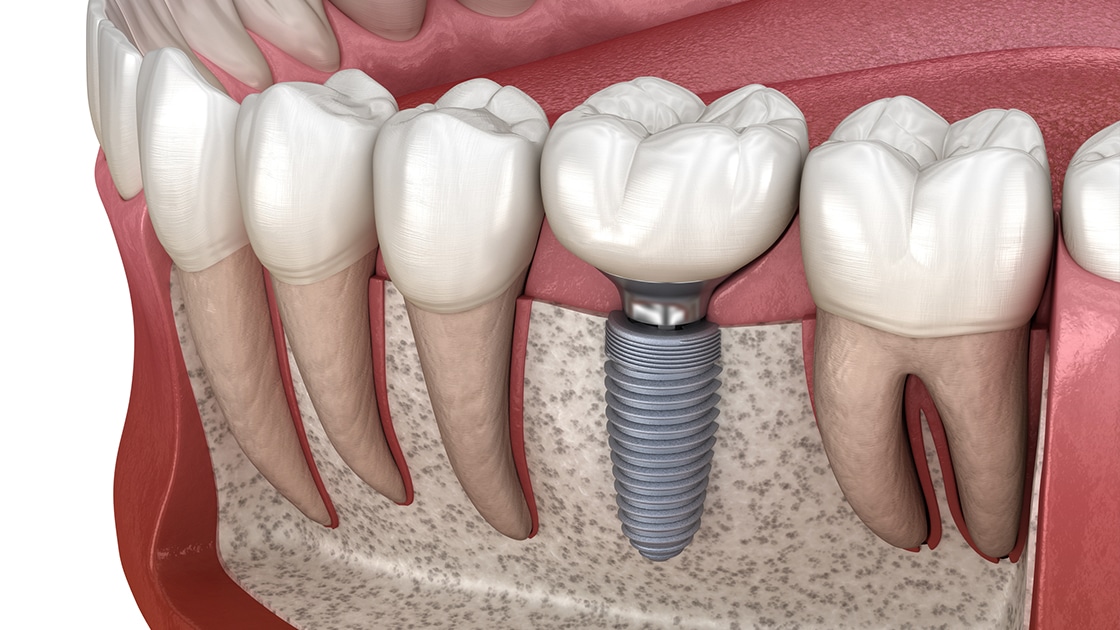
When considering solutions for missing teeth, many patients find themselves choosing between dental implants and bridges. Understanding the differences and benefits of each option is crucial for making an informed decision. Both options offer effective solutions, but they serve different needs and have distinct advantages. This article provides a comprehensive overview of dental implants and bridges, helping patients decide which option may be best suited for their situation.
Understanding Dental Implants
Dental implants are a popular choice for those seeking a long-term solution to tooth loss. They consist of a titanium post surgically placed into the jawbone, which acts as a root for a replacement tooth. Over time, the post fuses with the bone, providing a stable foundation.
Benefits of Dental Implants
- Longevity: With proper care, dental implants can last a lifetime, making them a cost-effective solution in the long run.
- Bone Preservation: Implants stimulate the jawbone, preventing bone loss that can occur with missing teeth.
- Natural Appearance: Implants are designed to look and feel like natural teeth, enhancing both aesthetics and function.
- Improved Oral Health: Unlike bridges, implants do not rely on neighboring teeth, preserving the health of surrounding teeth.
For those interested in exploring advanced guides and tips on dental implants, find out more about this approach to ensure the best outcome.
Insights into Dental Bridges
Dental bridges are another viable option for replacing missing teeth. Unlike implants, bridges rely on adjacent teeth for support. A typical bridge consists of two crowns on either side of the gap with a replacement tooth in between.
Advantages of Dental Bridges
- Cost-Effective: Bridges generally have a lower initial cost compared to implants, making them a more accessible option for some patients.
- Quicker Process: The procedure for fitting a bridge is less time-consuming than implants, often requiring only a few weeks.
- Non-Surgical: Unlike implants, bridges do not require surgical procedures, making them suitable for patients unable to undergo surgery.
To discover expert strategies here for maintaining dental bridges effectively, learn about our tailored solutions that can enhance their longevity and effectiveness.
Choosing Between Implants and Bridges
The decision between dental implants and bridges often depends on several factors, including oral health, budget, and personal preference. Here are some considerations to help guide the decision-making process:
- Oral Health: Patients with sufficient bone density and healthy gums are generally better candidates for implants.
- Budget: While implants may initially be more expensive, their durability can offset costs over time.
- Time Constraints: For those needing a quicker solution, bridges may be more appealing due to the shorter treatment time.
For a more personalized approach to choosing between implants and bridges, explore advanced guides and tips to make an informed decision that aligns with individual needs.
Conclusion
Both dental implants and bridges offer valuable solutions for restoring smiles and improving oral health. Deciding which option is best requires careful consideration of one’s unique circumstances and consultation with a dental professional. Understanding the benefits and limitations of each can lead to a more satisfying outcome, ensuring that the chosen solution not only meets immediate needs but also contributes to long-term oral health. By evaluating individual needs and seeking expert guidance, patients can confidently choose the right path for their dental health journey.