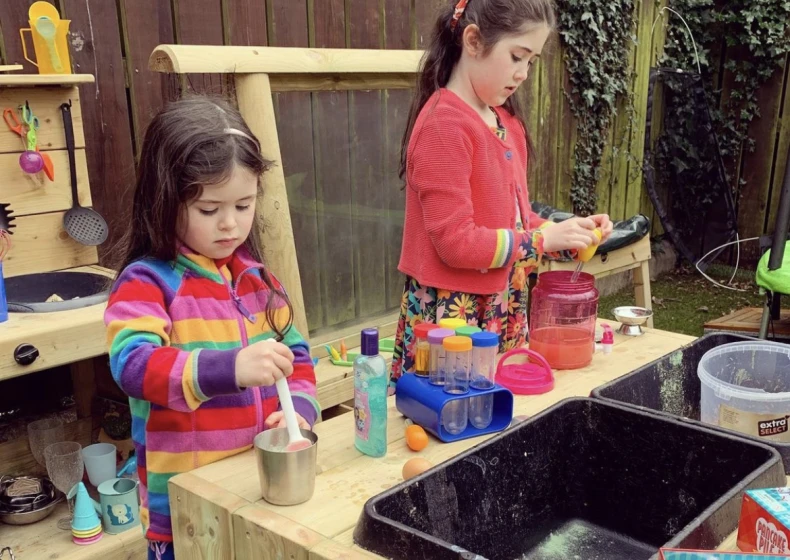
Infant sensory play is a critical aspect of early childhood development, engaging multiple senses and fostering cognitive growth. Introducing babies to various textures, sounds, colors, and smells can significantly enhance their neural connections, leading to improved motor skills, language acquisition, and emotional understanding. Parents and caregivers play a pivotal role in facilitating these sensory experiences, ensuring that infants receive the appropriate stimuli for optimal development.
The Importance of Sensory Play
Sensory play is essential for infants as it helps in the development of sensory processing skills, which are crucial for everyday functioning. Through engaging in sensory activities, infants can:
- Develop fine and gross motor skills.
- Enhance problem-solving and critical thinking abilities.
- Boost creativity and imagination.
- Improve language and communication skills.
- Foster emotional regulation and resilience.
For parents looking to effectively support their child’s development, discover expert strategies here for integrating sensory play into daily routines.
Engaging Sensory Play Activities
Tactile Stimulation
Creating a diverse tactile environment for infants is crucial for their sensory development. Consider incorporating the following activities:
- Sensory Bins: Fill bins with materials like rice, beans, sand, or water beads. Allow infants to explore these textures under supervision.
- Textured Toys: Provide toys with different surfaces, such as smooth, bumpy, or furry, to stimulate touch.
- Fabric Swatches: Offer various fabrics like silk, velvet, or burlap for infants to feel and explore.
Learn about our tailored solutions for creating sensory-rich environments at this resource.
Auditory Exploration
Sound is a powerful sensory tool that can influence an infant’s mood and cognitive development. Consider these activities to enhance auditory skills:
- Musical Instruments: Introduce simple instruments like maracas or drums to allow infants to create their own sounds.
- Nature Sounds: Play recordings of natural sounds like rain, waves, or birds to soothe and intrigue.
- Storytime: Reading aloud to infants not only enhances auditory processing but also builds language skills.
Explore advanced guides and tips on incorporating sound into sensory play by visiting this page.
Visual Engagement
Visual stimuli are fundamental in helping infants distinguish shapes, colors, and movement. Effective activities include:
- Colorful Mobiles: Hang mobiles with contrasting colors and shapes above the crib for visual tracking development.
- Picture Books: Use books with bright, bold images to capture attention and encourage visual exploration.
- Light and Shadow Play: Use flashlights or sunlight to create shadows and patterns for infants to observe.
Find out more about this approach to visual play at this link.
Conclusion
Incorporating sensory play into an infant’s daily routine is crucial for their holistic development. By providing a variety of sensory experiences, caregivers can support the building blocks of learning and development, ensuring infants have the best start in life. Whether it’s through tactile exploration, auditory stimulation, or visual engagement, the benefits of sensory play are profound and long-lasting. For further insights and strategies, consider exploring additional resources to enhance sensory play experiences.