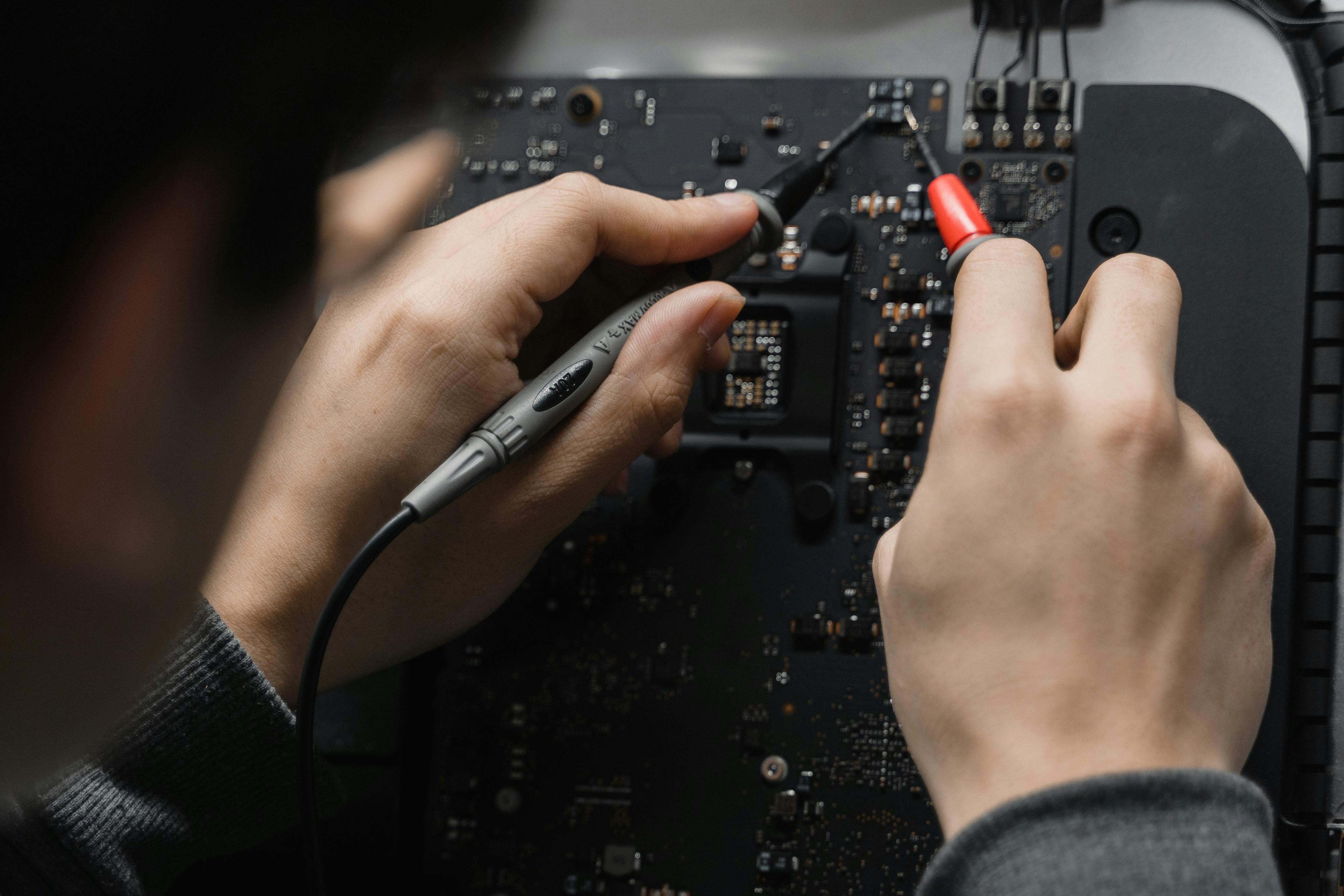
Maintaining a functional electrical system is critical to ensuring safety and efficiency in both residential and commercial settings. Electrical maintenance services play a vital role in preventing issues before they occur, thereby reducing the risk of costly repairs and dangerous electrical failures. Regular check-ups of electrical components and systems can detect potential problems early on, safeguarding against interruptions and hazards. This article will delve into the benefits and importance of electrical maintenance, the key components to monitor, and strategies for effective maintenance.
Importance of Electrical Maintenance Services
Electrical systems, if not properly maintained, can lead to severe consequences such as power outages, electrical fires, or equipment damage. Regular maintenance ensures that the system operates efficiently and safely. Here are some reasons why electrical maintenance is crucial:
- Enhances safety by preventing electrical hazards.
- Improves energy efficiency, leading to cost savings.
- Prolongs the lifespan of electrical equipment and infrastructure.
- Averts unexpected downtimes and disruptions in operations.
For more on why maintenance is essential, read more about this topic.
Key Components of Electrical Maintenance
Inspection and Testing
A comprehensive inspection involves checking all electrical installations and components for wear and tear, damage, or any signs of malfunction. Testing ensures that components like circuit breakers, transformers, and wiring are functioning correctly. Explore further insights here.
Preventive Maintenance
Preventive maintenance is scheduled regularly to check the health and functionality of electrical systems. It includes tasks such as cleaning, lubrication, adjustments, and replacing worn-out parts. This proactive approach helps to mitigate potential issues before they escalate. Learn more in this detailed guide.
Thermal Imaging
Thermal imaging is a non-invasive method used to detect hot spots in electrical systems. By identifying areas of excess heat, technicians can address potential problems such as loose connections or overloaded circuits before they result in failure. Find additional information here.
Strategies for Effective Electrical Maintenance
Implementing effective strategies is key to maintaining reliable electrical systems. The following approaches can enhance maintenance efforts:
- Regularly Scheduled Maintenance: Establish a routine maintenance schedule based on the specific needs of the electrical system. Regular check-ups help in early detection of issues.
- Training and Education: Ensure that all personnel involved in maintenance are adequately trained and aware of safety standards and procedures.
- Documentation: Keep detailed records of all maintenance activities. This helps in tracking the system’s history and planning future maintenance tasks.
- Use of Advanced Tools and Technology: Employ advanced diagnostic tools and technology to improve the accuracy and efficiency of maintenance activities.
A well-maintained electrical system is not only a regulatory requirement but also a critical component in the smooth operation of any facility. By prioritizing electrical maintenance services, potential issues can be addressed before they lead to significant problems. For more strategies on effective maintenance, read more about this topic.
In conclusion, investing in regular electrical maintenance services is a prudent decision for any property owner or manager. It ensures safety, efficiency, and longevity of the electrical infrastructure, ultimately saving time and money. By understanding the importance, key components, and strategies of electrical maintenance, stakeholders can prevent issues before they happen, maintaining a secure and efficient environment.