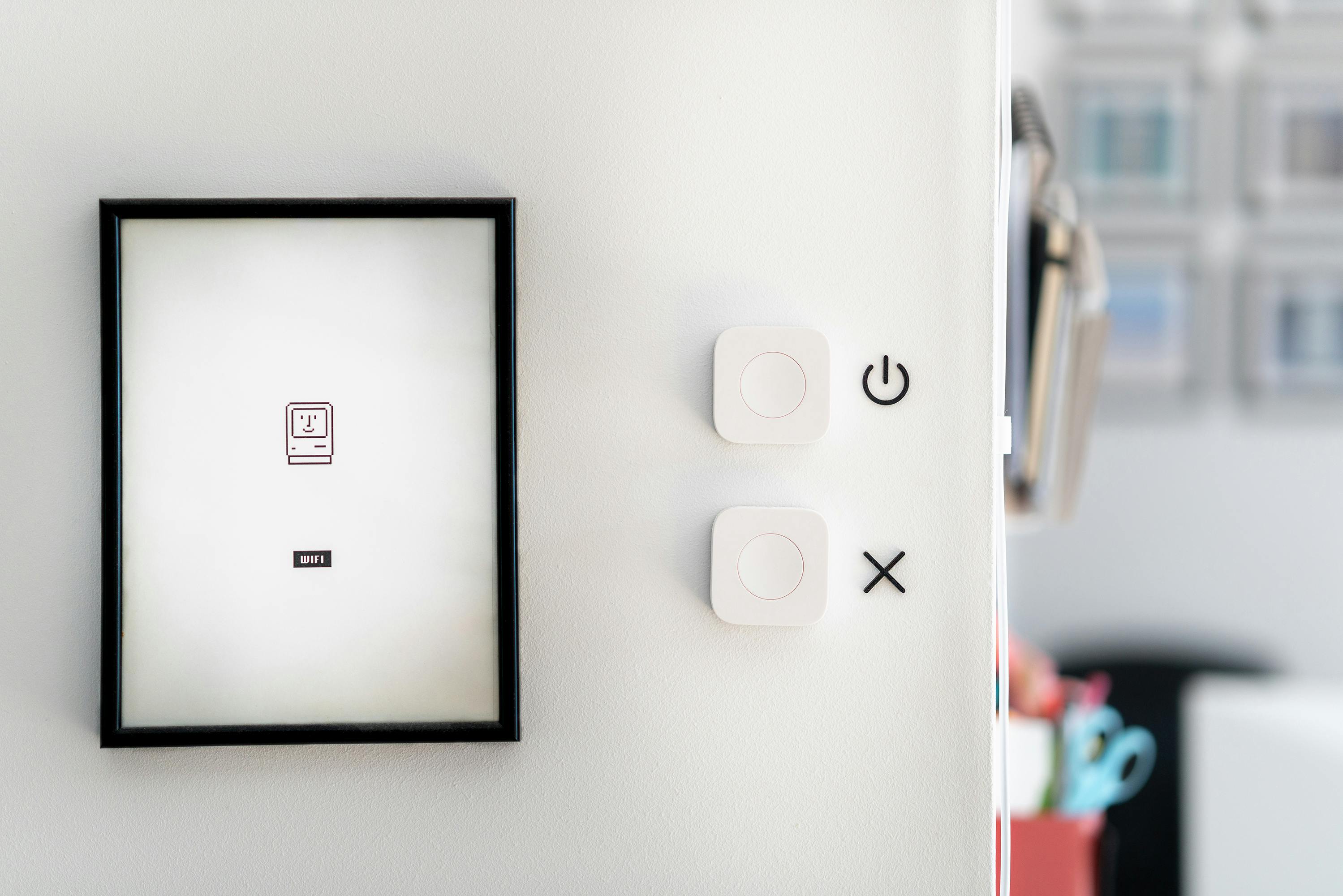
In an era where technology seamlessly integrates into our daily lives, smart lighting control solutions offer a transformative approach to home illumination. These systems not only bring convenience but also enhance the ambiance and efficiency of residential spaces. Smart lighting technology provides a sophisticated yet user-friendly experience, allowing homeowners to tailor lighting environments to their specific needs and preferences. As we explore the intricacies of smart lighting, we will uncover how these advanced systems contribute to an effortless and intelligent home lighting experience.
Understanding Smart Lighting Control
Smart lighting control systems are designed to provide homeowners with automated and remote control over their lighting fixtures. These systems utilize various technologies, including wireless communication, sensors, and mobile apps, to offer a dynamic and integrated lighting solution. Key benefits of smart lighting control include:
- Enhanced energy efficiency through automated lighting schedules.
- Personalized lighting settings for different times of the day or occasions.
- Remote access and control via smartphone apps.
- Integration with other smart home devices and systems.
For those seeking to delve into the specifics of these solutions, discover expert strategies here.
Key Features of Smart Lighting Systems
Customizable Settings and Scenes
One of the most appealing features of smart lighting systems is the ability to create custom lighting scenes. These scenes allow users to adjust multiple lights simultaneously to match their mood or activity. Whether it’s creating a cozy ambiance for a movie night or brightening the workspace during the day, smart lighting offers unparalleled customization.
Integration with Smart Home Ecosystems
Smart lighting systems are designed to work seamlessly with other smart home devices. This interoperability allows for voice control through virtual assistants and the automation of lighting based on other smart device activities. Learn about our tailored solutions to see how these integrations can be efficiently managed.
Benefits of Smart Lighting Control
Energy Savings
By automating lighting schedules and using sensors to detect occupancy, smart lighting systems significantly reduce energy consumption. This not only lowers utility bills but also contributes to environmentally friendly practices. Explore advanced guides and tips to optimize energy use with smart lighting.
Improved Security
Smart lighting systems enhance home security by simulating occupancy while residents are away. Automated lighting schedules can deter potential intruders by creating the illusion that someone is home. Additionally, remote access allows homeowners to control lights from anywhere, adding an extra layer of security.
Implementing Smart Lighting Solutions
Implementing a smart lighting control system involves careful planning and consideration of various factors such as the layout of the home, the types of lighting fixtures, and the specific needs of the residents. Professional advice can be invaluable in ensuring a seamless and efficient installation process. For those interested in professional guidance, find out more about this approach.
Conclusion
Smart lighting control solutions represent the future of home illumination, offering unparalleled convenience, customization, and efficiency. As technology continues to evolve, these systems will become an integral part of smart homes, enhancing both functionality and quality of life. For anyone looking to transform their living spaces with intelligent lighting, embracing these advanced solutions is a step towards a brighter, smarter home environment.