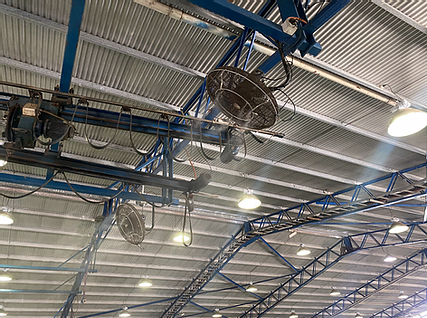
In today”?s industrial landscape, maintaining a safe and clean environment is paramount. Dust particles, often unseen, pose significant risks to workplace safety and employee health, making effective dust management a critical component of operational protocols. Innovations in dust suppression not only improve air quality but also enhance overall safety procedures across various sectors. This article delves into the importance of dust control solutions and explores modern methods that are transforming industrial safety standards.
The Importance of Dust Suppression in the Workplace
Dust particles in industrial settings can have detrimental effects on both health and machinery. Prolonged exposure to dust can lead to respiratory issues and other health problems for employees. Additionally, dust accumulation can cause machinery to malfunction, leading to costly repairs and downtime.
Key Benefits of Effective Dust Control:
- Improved air quality and reduced health risks for employees
- Enhanced equipment longevity and reduced maintenance costs
- Compliance with health and safety regulations
- Increased productivity due to a safer working environment
Exploring Modern Dust Suppression Techniques
Technological advancements have paved the way for innovative dust suppression solutions that are both effective and environmentally friendly. These techniques are tailored to meet the specific needs of different industries, ensuring optimal performance and safety.
Common Dust Suppression Methods:
- Misting Systems: These systems utilize fine water droplets to capture and settle dust particles, preventing them from becoming airborne.
- Fogging Solutions: Similar to misting, fogging creates an ultra-fine mist that can cover large areas effectively.
- Chemical Suppressants: Applied to surfaces, these chemicals bind dust particles together, preventing them from becoming airborne.
- Ventilation Systems: Proper ventilation helps in extracting dust-laden air and replacing it with fresh air.
Implementing Dust Suppression Systems
The integration of dust suppression systems requires a strategic approach, considering factors such as the type of industry, the extent of dust generation, and the available budget. A comprehensive assessment of the workplace is essential to determine the most suitable solutions.
Professionals in the field recommend conducting regular maintenance checks and evaluations to ensure the continued efficiency of the installed systems. This proactive approach not only maintains optimal performance but also adheres to regulatory standards.
Conclusion
As industries continue to evolve, the need for effective dust suppression becomes increasingly critical. By leveraging advanced solutions, businesses can ensure a safer and more efficient working environment. Emphasizing the importance of dust suppression and implementing appropriate systems can significantly contribute to workplace safety and operational success.